The Untold Story of How Jeffrey Epstein Got Rich - The New York Times
-
What Happens After A.I. Destroys College Writing? | The New Yorker
Education, particularly in the humanities, rests on a belief that, alongside the practical things students might retain, some arcane idea mentioned in passing might take root in their mind, blossoming years in the future. A.I. allows any of us to feel like an expert, but it is risk, doubt, and failure that make us human. I often tell my students that this is the last time in their lives that someone will have to read something they write, so they might as well tell me what they actually think.
-
Anthony Geary, Luke on ‘General Hospital,’ Dies at 78 - The New York Times — Ah, yes, Luke and Laura. American originals.
-
The New College Unemployment Line - WSJ
The unemployment rate last year for 20-to-29-year-olds who had recently received an associate degree was 2.1% versus 15.3% for those with a bachelor’s degree.
-
Fizz, forklifts and failed McDonald’s runs: How F1 winners celebrate world titles - The Athletic
“I really wanted some McNuggets, but it was the morning, so they didn’t have any left,” he said. “I had a Sausage McMuffin. Was it the breakfast of champions? Certainly not. I regretted it straightaway.”
-
Trick for installing/upgrading your Sonos speakers — Turn off all VPNs. On your phone and on your main router.
-
Star Wars Returns to Theaters for 50th Anniversary | StarWars.com
On February 19, 2027, we’ll celebrate the 50th anniversary of Star Wars with a re-release of the 1977 original back for a limited time, in theaters everywhere.
-
Europe is weak and delusional (but not doomed) — DHH breaks it down.
-
Bucky Linked List
.microblog_permalink { color: gray; font-style: italic; } .microblog_divider { color: gray; } Lando wins the championship! 2025-12-07 Lando Norris: The small, shy Somerset kid who became F1 world champion - The Athletic 2025-12-07 Lando Norris: The small, shy Somerset kid who became F1 world champion - The Athletic Now that much older and wiser, Norris seems perfectly at ease with the media and full of confidence in what he says.Continue reading -
The Undefeated
Long story about a washed up bullfighter trying to make his comeback. It doesn’t go well. Detailed descriptions. Great story. But, I just didn’t like the ending. I wanted him to win.
-
The Big Two-Hearted River
Love the description of the land, the result of a forest first and his hike. Clearly the physical task represents an escape from personal crisis. But a crisis of what? It’s not a crisis of fishing.
What’s the point of telling the story of Hopkins?
What are the two hearts of the river?
There must be some Biblical reference in this story. Right?
Some of the literary criticism I’ve read about this story indicate that it is about war, life and redemption. I just don’t see it. It’s just about Nick fishing and seeking escape from something that is not explained. It can be an escape from anything.
-
The Three Day Blow
Basically, I interpret this story as a setup and explainer for The End of Something.
Bill is jealous that Marjorie will take Nick from him and so recommends the breakup.
Nick is ambivalent if the relationship is truly over and is optimistic for the future of his romantic life. I think he wants to get Marjorie back.
I like this story for the most part. Good. Not great.
-
Soldier’s Home
An account of unhappiness and disillusionment of a soldier who has returned home from war. I feel sorry for Harold Krebs. His experiences have changed him. They have flattened him and his psyche. His family loves him, but he can’t return the love.
Well-written. Easy to read.
-
My favorite Abu Dhabi photos from The Athletic
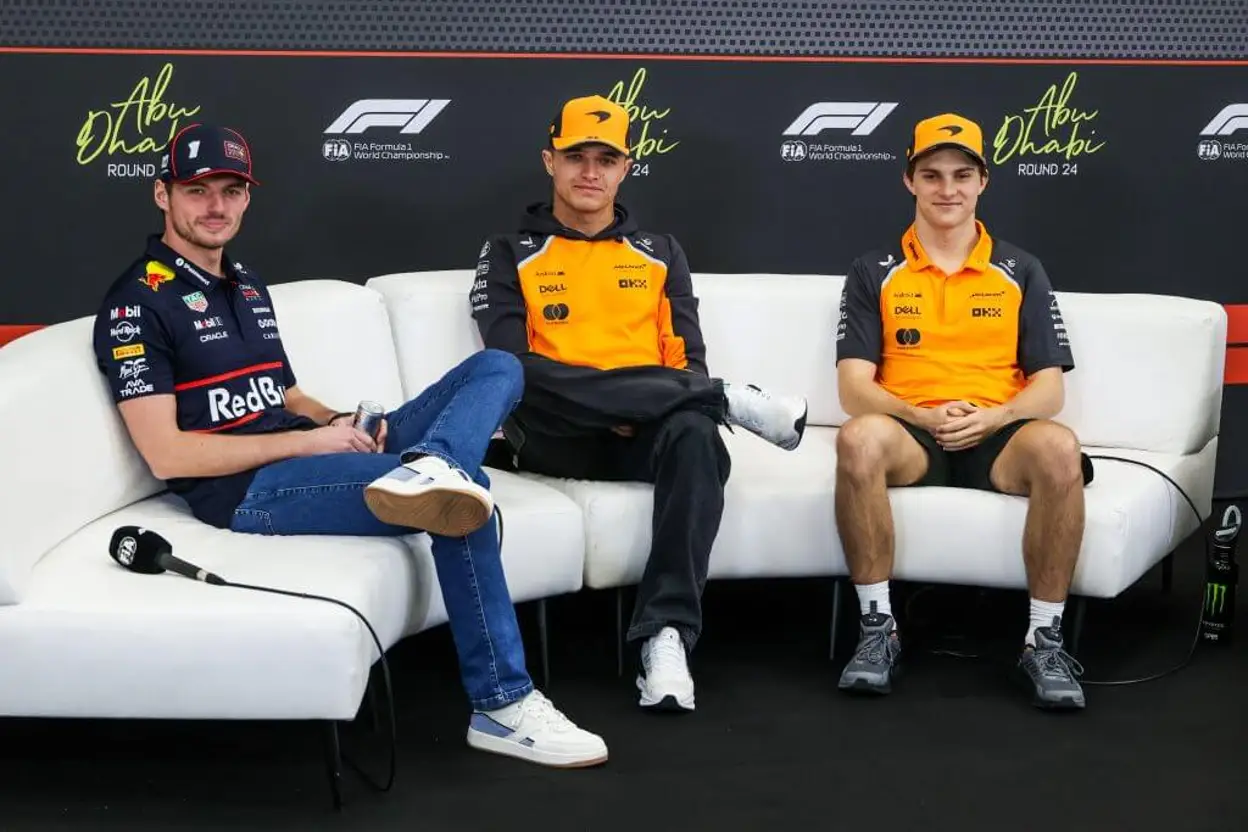
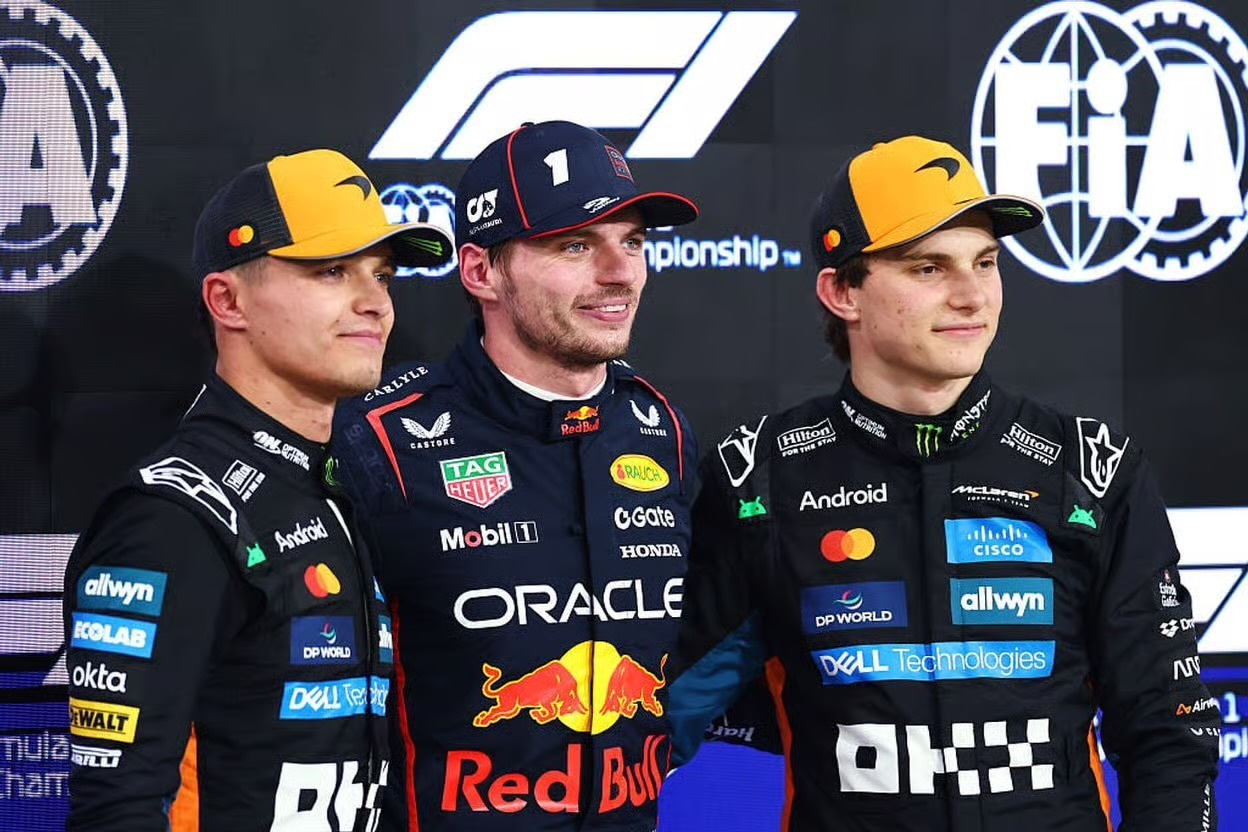
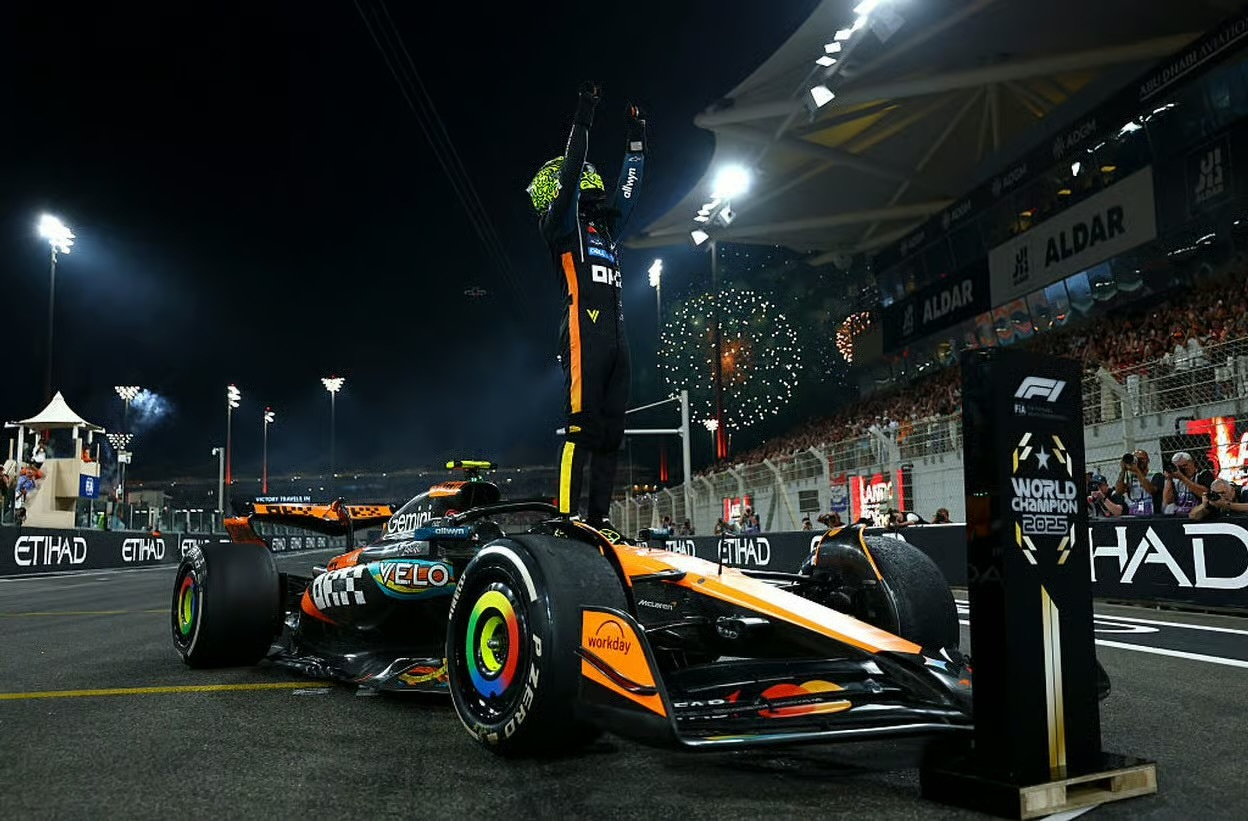
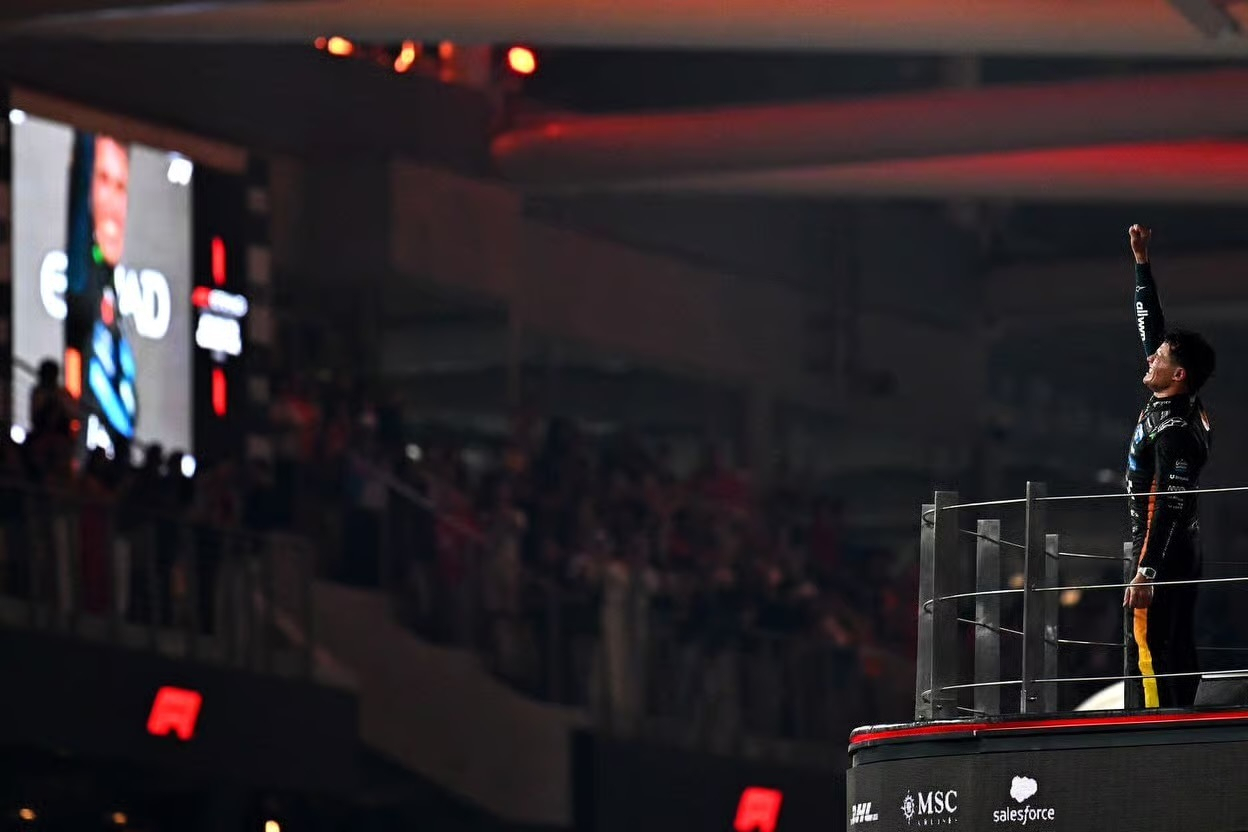
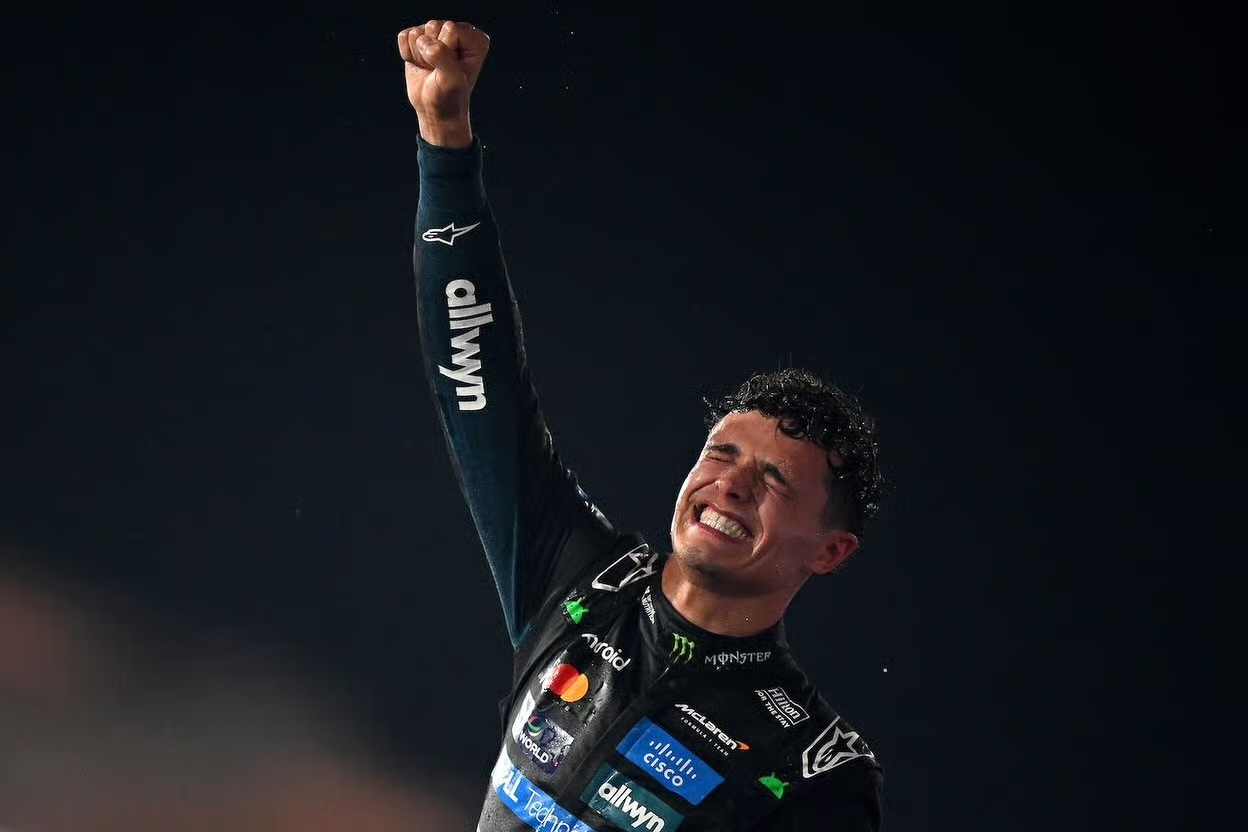
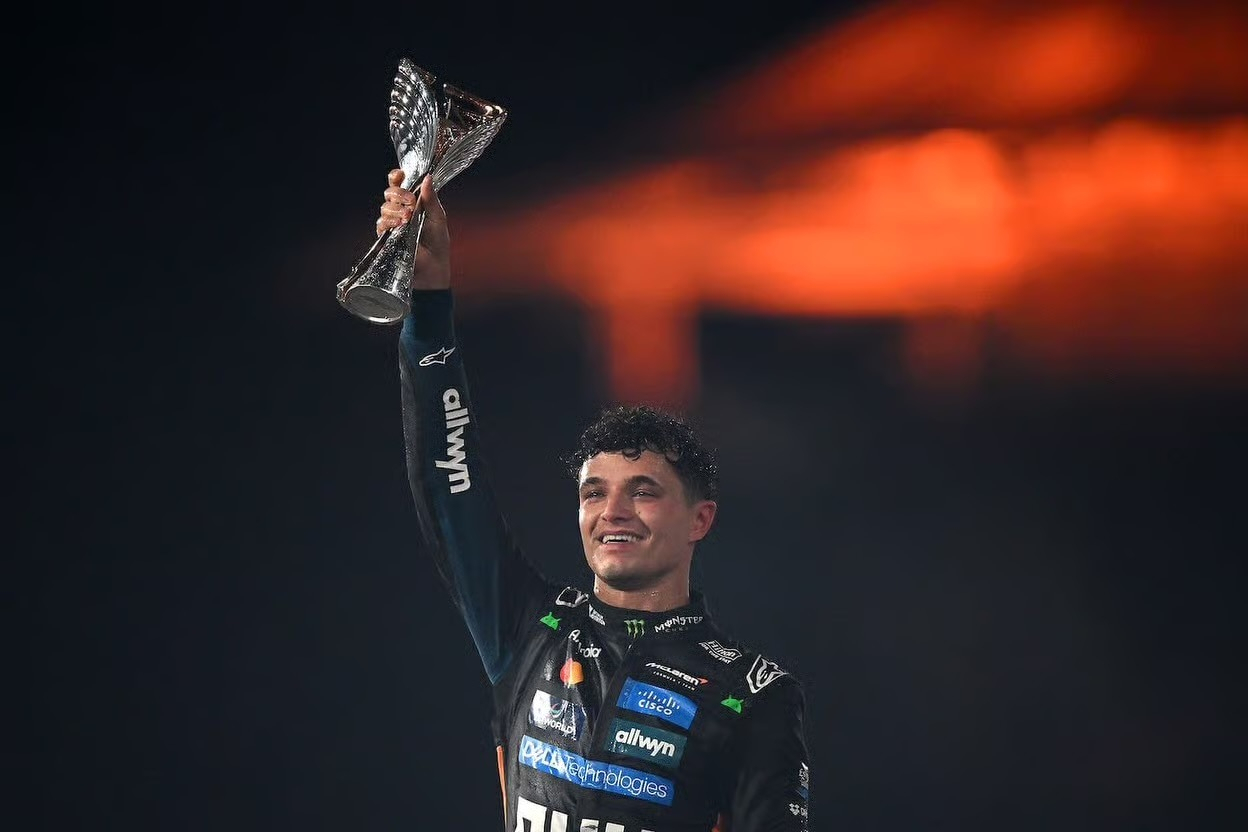
-
Lando Norris is a Unique Champion
I’ve been watching Formula 1 since 2021. Lando quickly became my favorite driver. And, this year I had the pleasure of watching him become world champion. Watch the post-race interview and you’ll see why I like him so much. He’s a different kind of champion than you’ll usually see. Max Verstappen is the prototype champion: aggressive, very technical, mean, not very nice, lacking subtly, and ultra-competitive. Think Michael Jordan, Tiger Woods and Tom Brady.Continue reading